


Single-Girder Overhead Cranes: A Comprehensive Guide
Single-girder overhead cranes are an essential component in many industrial and workshop settings, providing efficient and cost-effective solutions for material handling and load lifting. These cranes are designed with a single bridge girder that supports the hoist and trolley, making them a versatile and economical choice for various applications. In this article, we will delve into the details of single-girder overhead cranes, including their features, benefits, applications, and factors influencing their price. This comprehensive guide is designed to provide all the information you need to make an informed decision when choosing the right crane for your needs.
What is a Single-Girder Overhead Crane?
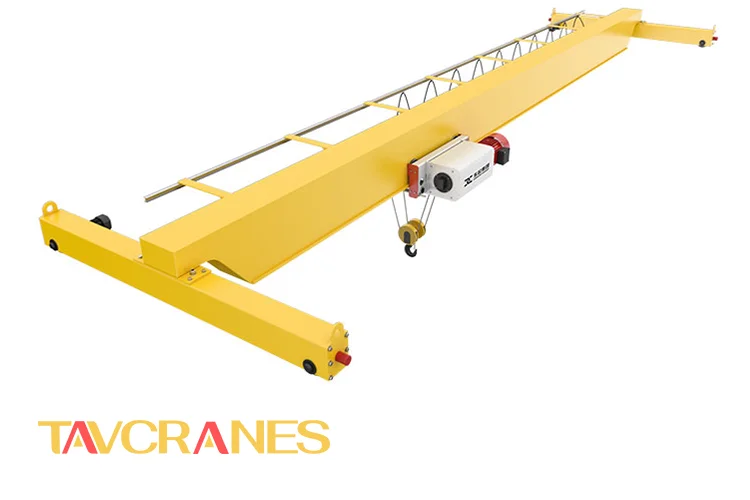
A single-girder overhead crane consists of a single bridge beam supported on two end trucks. The hoist and trolley are mounted on the lower flange of the bridge beam, allowing the crane to move horizontally along the length of the girder. This configuration is ideal for lifting lighter to moderate loads and is commonly used in workshops, warehouses, and production facilities.
Key Features of Single-Girder Overhead Cranes
1. Compact Design: Single-girder cranes have a compact design, making them suitable for environments with limited space. Their streamlined structure allows for easy integration into existing facilities without major modifications.
2. Cost-Effective: Compared to double-girder cranes, single-girder cranes are more economical due to their simpler construction and lower material costs. They are an excellent choice for businesses looking to optimize their budget while maintaining operational efficiency.
3. Ease of Installation and Maintenance: The straightforward design of single-girder cranes simplifies installation and reduces maintenance requirements. This can lead to lower long-term costs and increased uptime for operations.
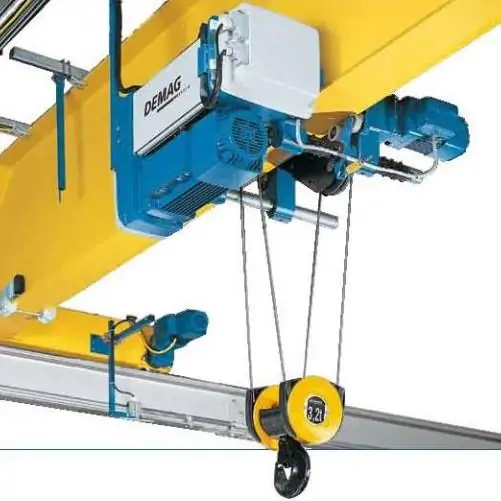
4. Flexibility: Single-girder overhead cranes can be customized with various lifting capacities, spans, and lifting heights to meet specific operational needs. They are also compatible with different types of hoists, including electric chain hoists and wire rope hoists.
5. Enhanced Safety Features: Modern single-girder cranes are equipped with advanced safety features such as overload protection, anti-sway technology, and emergency stop systems, ensuring safe and efficient operation.
Benefits of Using Single-Girder Overhead Cranes
1. Increased Productivity: By automating the lifting and transportation of heavy materials, single-girder cranes help reduce manual labor, minimize downtime, and increase overall productivity.
2. Space Optimization: The compact design of single-girder cranes allows for maximum utilization of vertical and horizontal space, making them ideal for facilities with height restrictions or limited floor space.
3. Versatility: These cranes are versatile and can be used for various applications, including assembly lines, maintenance tasks, and material handling in different industries such as automotive, aerospace, and manufacturing.
4. Reduced Operating Costs: Due to their efficient design and minimal maintenance requirements, single-girder cranes can help reduce operating costs over time, providing a cost-effective solution for material handling.
Applications of Single-Girder Overhead Cranes
Single-girder overhead cranes are widely used in various industries due to their versatility and efficiency. Some common applications include:
1. Manufacturing: In manufacturing facilities, single-girder cranes are used to move raw materials, semi-finished products, and finished goods along the production line.
2. Warehousing: In warehouses, these cranes facilitate the efficient handling and storage of goods, improving inventory management and reducing the risk of damage to products.
3. Maintenance and Repair: Single-girder cranes are often used in workshops for maintenance and repair tasks, such as lifting and positioning heavy equipment or machinery.
4. Automotive Industry: In the automotive sector, single-girder cranes are used for tasks such as engine assembly, bodywork, and parts handling.
5. Construction: On construction sites, these cranes assist in lifting and placing construction materials, reducing manual labor and improving site safety.
Factors Influencing the Price of Single-Girder Overhead Cranes
The price of a single-girder overhead crane can vary significantly based on several factors. Understanding these factors can help you choose the right crane for your needs while staying within your budget.
1. Load Capacity: The lifting capacity of the crane is a primary factor affecting its price. Cranes designed to lift heavier loads require stronger structures and more robust components, leading to higher costs.
2. Span and Lifting Height: The span (the distance between the crane’s support structures) and the lifting height (the maximum height the hoist can reach) also influence the price. Larger spans and greater lifting heights typically require additional materials and engineering, increasing the cost.
3. Crane Components: The quality and type of components used, such as motors, gearboxes, and control systems, play a significant role in determining the price. High-quality components may increase the initial cost but offer better performance and durability.
4. Customization Options: Custom features such as specialized hooks, remote control systems, or automated functions can add to the overall cost of the crane. Customization ensures the crane meets specific operational requirements but may impact the budget.
5. Brand and Manufacturer: The reputation and experience of the crane manufacturer can affect the price. Reputable brands with a history of quality and reliability may charge more, but they also provide assurance of performance and after-sales support.
6. Installation and Maintenance Costs: The complexity of installation and future maintenance needs should also be considered when evaluating the total cost of a single-girder overhead crane. Simpler designs may reduce these costs, while more complex setups might require specialized skills and equipment.
7. Market Conditions: Economic factors such as fluctuations in steel prices, changes in labor costs, and supply chain issues can impact the price of cranes. It is essential to consider these external factors when planning a purchase.
Tips for Choosing the Right Single-Girder Overhead Crane
1. Assess Your Lifting Needs: Determine the maximum load capacity and lifting height required for your operations. Choosing a crane with a slightly higher capacity than needed can provide flexibility for future needs.
2. Consider Space Constraints: Evaluate the available space in your facility to ensure the crane can be installed and operated efficiently. A compact single-girder crane is ideal for areas with limited headroom or narrow aisles.
3. Choose the Right Hoist: Select a hoist that matches your lifting requirements. Electric chain hoists are suitable for lighter loads, while wire rope hoists are better for heavier applications.
4. Prioritize Safety Features: Ensure the crane is equipped with essential safety features such as overload protection, emergency stop buttons, and anti-sway technology to prevent accidents and ensure safe operation.
5. Work with Reputable Suppliers: Purchase your crane from a reputable manufacturer or supplier with a proven track record of quality and customer support. This ensures you receive a reliable product and professional assistance with installation and maintenance.
Conclusion
Single-girder overhead cranes are a versatile and cost-effective solution for various industrial and workshop applications. Their compact design, ease of installation, and wide range of customization options make them an excellent choice for businesses looking to enhance their material handling capabilities. By understanding the factors influencing the price and considering your specific operational needs, you can select the right single-girder crane to improve efficiency and productivity in your facility.
For more information or to receive a customized quote, contact Taw’s expert consultants. With years of experience in the design, installation, and maintenance of workshop cranes, our team is ready to help you find the best solution tailored to your requirements.
