


Workshop overhead cranes are essential equipment in various industries, designed to move heavy and bulky loads within workshop environments. These cranes are crucial for improving efficiency and productivity while ensuring safety during operations. Their design allows for quick and precise movement of heavy loads, making them an indispensable tool in many workspaces.
What is an Overhead Crane?
فهرست مطالب مقاله
An overhead crane is a type of industrial crane that moves along tracks installed on the ceiling or overhead structures of a workshop. These cranes are ideal for moving heavy objects in confined spaces, such as workshops and factories. The mechanism comprises a horizontal beam (the crane) and several hoists powered by an electric or mechanical motor to facilitate movement.
Advantages of Using Workshop Overhead Cranes
• Increased Productivity: They allow for quick and precise handling of loads.
• Reduced Worker Injury: The use of these cranes minimizes the need for manual lifting, reducing the risk of injury.
• Improved Workplace Safety: With precise control and safety features, the risks associated with moving heavy loads are minimized.
Types of Workshop Overhead Cranes
1. Single Girder Overhead Crane:
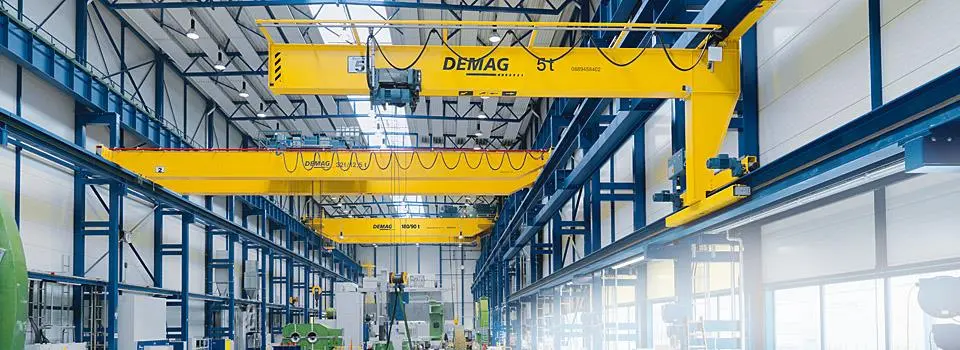
A common type of overhead crane featuring a single horizontal beam. It is typically used in small to medium-sized workshops for handling light to medium loads. The single-girder system allows the crane to move loads along the track using a hoist or hook.
Advantages:
• Suitable for workshops with space limitations.
• Lower cost compared to double-girder cranes.
• Simplified installation and maintenance.
2. Double Girder Overhead Crane:
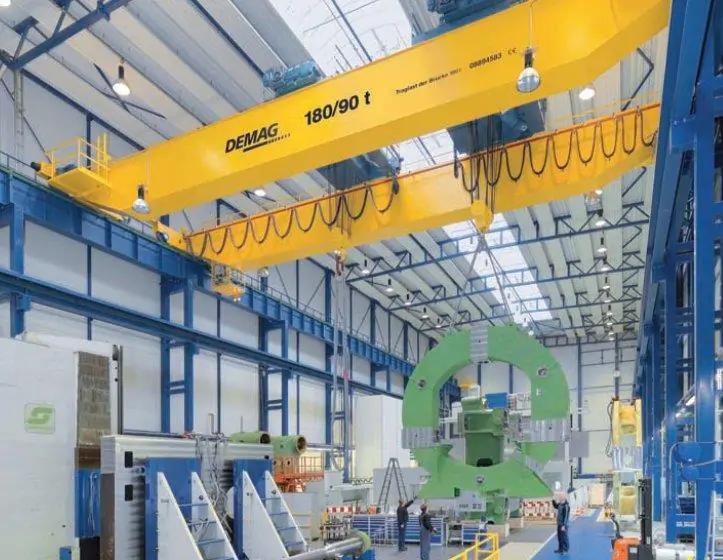
Used for moving heavier loads in larger environments. This type features two horizontal beams, which provide greater load capacity. Double girder cranes are commonly used in large industrial projects with capacities exceeding 20 tons.
Advantages:
• Ideal for heavy loads.
• Greater stability and safety.
• Ability to install additional equipment like specialized hoists or advanced control systems.
3. Gantry Crane:
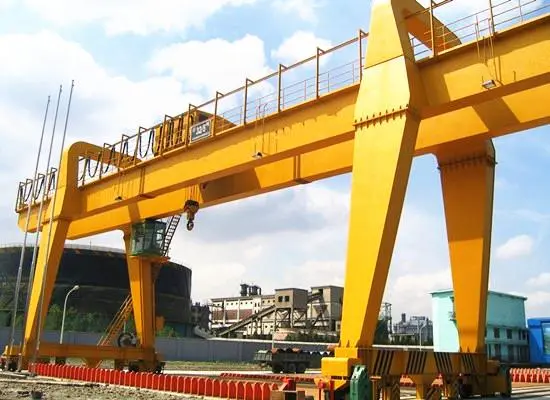
Gantry cranes are typically used outdoors and are designed for moving large, bulky loads. They are mounted on two vertical supports placed on the ground and can move loads over long distances.
Advantages:
• Suitable for open spaces.
• Capable of moving loads horizontally and vertically.
• High flexibility in various work environments.
4. Jib Crane:
A small and efficient type of crane designed for handling relatively light loads in limited spaces. Jib cranes have a rotating arm that moves loads within a defined area.
Advantages:
• Ideal for small and constrained environments.
• Quick and easy installation.
• Allows for quick movement of light loads.
5. Semi-Gantry Crane:
A combination of gantry and overhead cranes, where one side of the crane moves along an overhead track and the other on a ground track. This design is suitable for specific applications in limited spaces.
Advantages:
• Suitable for constrained environments.
• Can handle heavy loads in complex spaces.
• Lower installation costs compared to full gantry cranes.
Applications of Workshop Overhead Cranes in Various Industries
Workshop overhead cranes are widely used in industries such as automotive manufacturing, steel production, petrochemicals, woodworking, and paper production, as well as in assembly and repair workshops. Their ability to handle heavy loads with precision and adjustable speed makes them a vital tool in these industries.
1. Automotive Industry:
In automotive manufacturing, overhead cranes are used for moving heavy and large components like engines and chassis. These cranes not only speed up the production process but also improve product quality and reduce human error.
2. Steel Industry:
Overhead cranes in steel plants are used to move large and hot steel components. Their robust and precise design allows them to withstand harsh environmental conditions and heavy loads.
3. Petrochemical and Oil & Gas Industries:
Overhead workshop cranes are used for moving heavy and sensitive equipment in production and processing units in the petrochemical and oil & gas industries. Due to their precision and high safety standards, these cranes are used in sensitive environments within these industries.
Mobile Workshop Overhead Cranes: An Example
Example of Mobile Workshop Overhead Crane Application
In a metal parts manufacturing workshop, a mobile workshop overhead crane was installed to meet the need for continuous and fast movement of raw materials and heavy products between different sections. This single-girder mobile crane moves horizontally along tracks installed on the ceiling, covering various parts of the workshop.
Previously, these loads were moved manually or with forklifts, leading to reduced productivity, potential worker injuries, and increased production time. With the installation of the mobile crane, the workshop can now move heavy loads more precisely and quickly. The crane is equipped with a remote control system, allowing the operator to move loads safely and efficiently from a distance.
One of the main advantages of this mobile crane is its flexibility in moving loads between different sections. Unlike fixed or gantry cranes, this type of overhead crane can move in multiple directions, covering almost all areas of the workshop. This capability has enabled the workshop to use a single efficient system for all load-moving operations, eliminating the need for multiple transport devices.
Conclusion from the Example
The installation of a mobile workshop overhead crane has significantly improved productivity, reduced production time, and enhanced worker safety in this workshop. Furthermore, due to the crane’s extensive coverage, the need for multiple heavy vehicles within the workshop has been eliminated, resulting in a significant reduction in maintenance costs. This example demonstrates how a mobile overhead crane can revolutionize production processes.
Principles of Workshop Overhead Crane Design and Construction
Constructing a workshop overhead crane is a complex process requiring adherence to precise principles and standards. Key principles in designing and constructing this type of crane include:
1. Selecting the Type of Overhead Crane:
The first step is to select the appropriate type of overhead crane based on workshop needs. Various types include single-girder, double-girder, suspended, and gantry cranes. The correct selection is based on the weight and dimensions of the materials to be moved, the workshop space, and the need for precision in handling.
2. Structural Design and Material Selection:
The crane structure must be designed to bear the expected load weight and provide adequate safety. Selecting the right materials, such as high-strength steel for various crane components, is essential. Using high-strength alloy steel for the beams, columns, and support systems can extend the crane’s lifespan.
3. Implementing Advanced Safety Systems:
Attention to safety systems is crucial in overhead crane construction. Installing emergency brakes, height limiters, load detection sensors, and warning systems can prevent accidents and damage. Additionally, using remote controls and intelligent monitoring systems can enhance safety and productivity.
4. Proper Installation and Setup:
Proper installation and setup of a workshop overhead crane require a specialized and experienced team. Attention to how the crane is attached to the ceiling or columns, precise track alignment, and ensuring structural leveling are essential aspects. Any error during installation can lead to improper operation and serious hazards.
Key Considerations in Workshop Overhead Crane Construction
1. Adherence to Safety and Quality Standards:
Constructing workshop overhead cranes must comply with all national and international standards. Safety standards such as ISO 9001, ISO 14001, and specialized crane standards like FEM and CMAA are among the essential criteria to consider during construction and design.
2. Selecting the Right Equipment:
Proper selection of equipment such as motors, gearboxes, winches, and rails directly affects the crane’s performance and durability. High-efficiency motors, heavy-duty winches, and robust rails are essential components to choose carefully.
3. Regular Maintenance and Inspection:
Regular maintenance and inspection are critical after construction and installation. Scheduled maintenance can prevent unexpected breakdowns and extend the crane’s lifespan. Periodic inspections ensure the proper functioning of safety and mechanical systems.
4. Employee Training:
Safe and efficient use of a workshop overhead crane requires proper employee training. Operators and staff should be familiar with crane operations, safety systems, and proper maintenance methods. This training can prevent accidents and damage.
5. Workshop Environment Considerations:
The workshop environment must be suitable for installing and using an overhead crane. Ceiling height, sufficient space for crane movement, and the absence of obstacles are key factors. Proper ventilation and adequate lighting can also enhance workshop safety and productivity.
Constructing a workshop overhead crane is a complex and specialized process requiring technical knowledge and adherence to precise principles and standards. Selecting the appropriate type of crane, adhering to design and construction principles, using high-quality materials and equipment, and observing safety standards are crucial factors in this process. Regular maintenance and employee training can further improve performance and extend the crane’s service life.
Ultimately, considering the specific needs of each workshop and consulting with professional experts in overhead crane design and construction can help select the best and most suitable option for each industry. Companies and workshops seeking higher productivity and safety should pay special attention to choosing high-quality overhead cranes and utilizing professional services in this field.
This article aims to provide comprehensive and practical information on workshop overhead crane construction and essential considerations in this area. Following these guidelines can enhance performance, increase safety, and reduce maintenance and repair costs.
